Experts LED Lighting
💡 Featured Polycarbonate Solutions
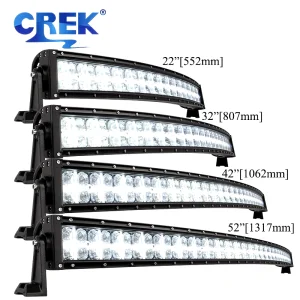
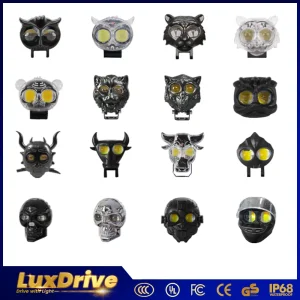
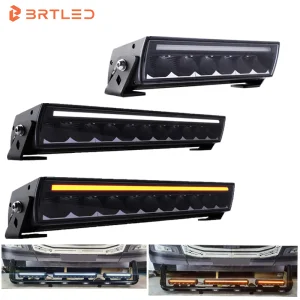
🌐 Global Status of Polycarbonate Lens LED Lighting
The global lighting landscape has undergone a tectonic shift from traditional glass and PMMA (Acrylic) toward Polycarbonate (PC) lenses. Polycarbonate, a thermoplastic known for its exceptional impact resistance and optical clarity, has become the "gold standard" in industrial and automotive sectors. In 2024, the market for Polycarbonate Lens LED Lights is projected to grow at a CAGR of 7.5%, driven by the rising demand for lightweight, shatterproof, and UV-resistant lighting solutions.
From the rugged mines of Australia to the high-speed autobahns of Germany, Polycarbonate lens technology ensures that LED systems remain functional under extreme thermal stress and mechanical impact. Manufacturers are now integrating advanced anti-scratch coatings and "Self-Healing" polymer technologies to maintain long-term transparency.
🚀 Future Industry Trends
1. Miniaturization & High Density
As LED chips become smaller and more efficient (COB and CSP technologies), the demand for precision-molded polycarbonate lenses is skyrocketing. These lenses are no longer just covers; they are complex optical instruments designed to shape light beams with laser-like precision.
2. Smart & Adaptive Lighting
Modern PC lenses are being paired with matrix LED systems. This allows for "Adaptive High Beam" (ADB) technology, where the lens distributes light dynamically to avoid blinding oncoming traffic while illuminating the road periphery.
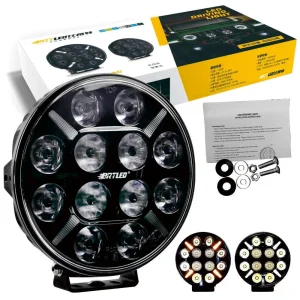
🌍 Global Procurement & Localized Applications
Global procurement managers are increasingly looking for factory-direct partnerships in China to mitigate supply chain costs while maintaining high QC standards. The application of Polycarbonate LED lights spans several localized scenarios:
Off-Road & Adventure
In North America and Australia, 4x4 enthusiasts require LED bars that can withstand gravel hits and low-hanging branches. PC lenses are mandatory for these environments.
Industrial & Mining
Hazardous locations require explosion-proof or high-impact lighting. Polycarbonate's non-shattering property makes it safer than glass in food processing or heavy machinery sectors.
Marine & Coastal
Salt-spray resistance is critical. Our PC lenses are treated with specialized coatings to prevent yellowing and corrosion in maritime applications.
Our OEM/ODM Advantage
As a leading Chinese manufacturer, Shenzhen Experts LED Lighting Co., Ltd. offers a seamless bridge between high-end R&D and cost-effective mass production. We understand the regulatory requirements of different regions, including DOT (USA), E-Mark (Europe), and ADR (Australia).
Our facility spans 35,000 square meters, housing 400+ skilled employees dedicated to the craft of illumination.
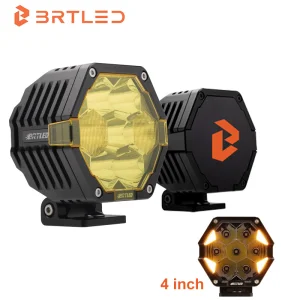
🏢 About Shenzhen Experts LED Lighting Co., Ltd.
Shenzhen Experts LED Lighting Co., Ltd., with over 18 years of experience in automotive lighting products. Focus Area: Specializes in the LED Lighting industry, covering an area exceeding 35,000 square meters and employing more than 400 employees.
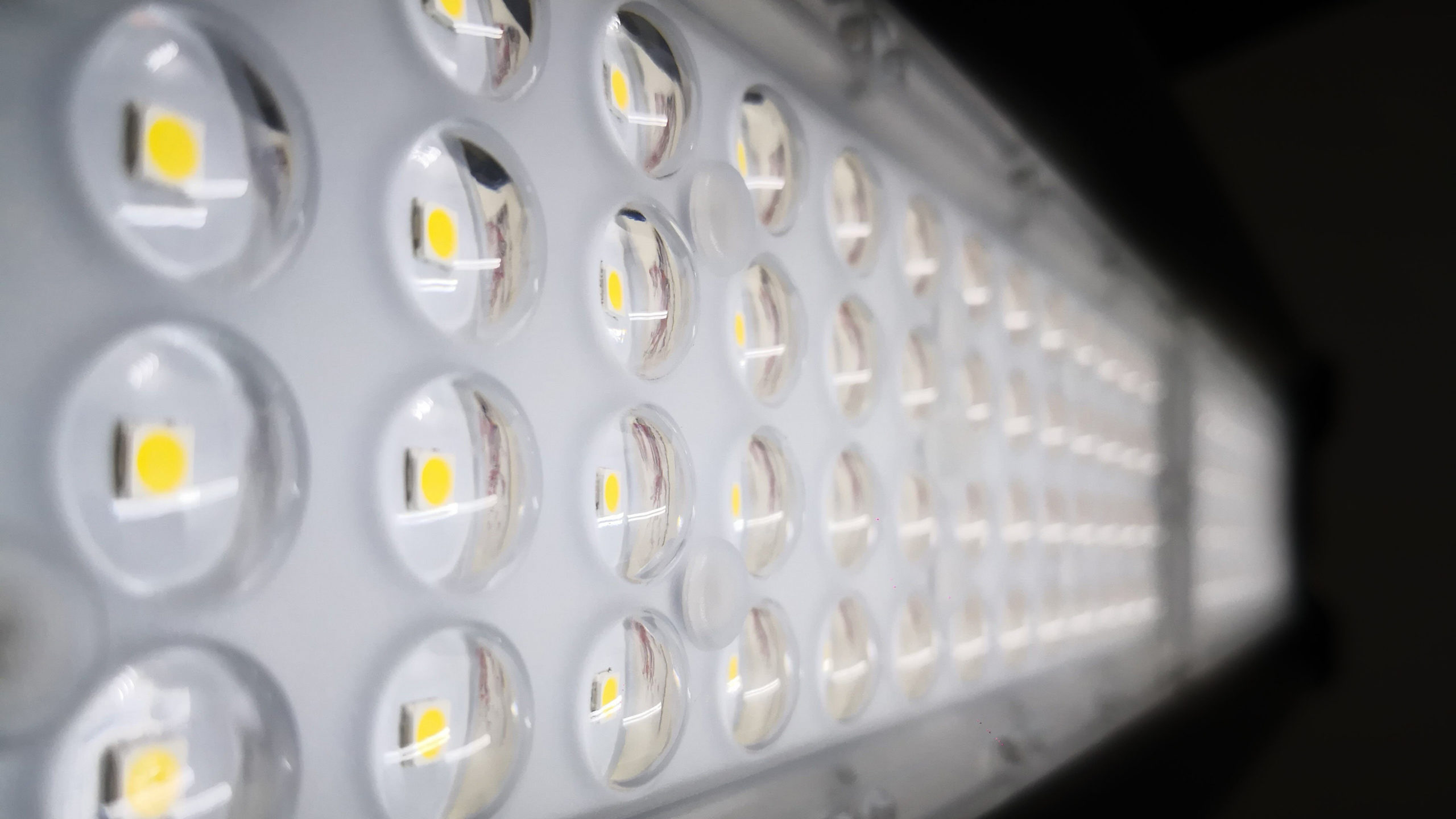
Main Product Lines
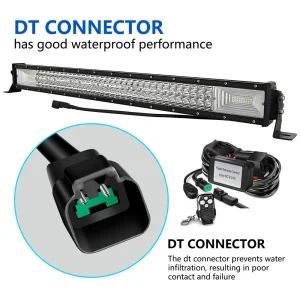
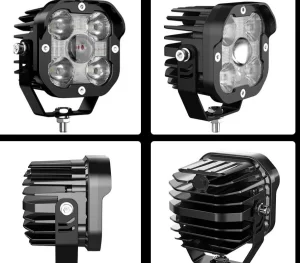
LED Headlight Bulbs / Off-road LED Light Bars / Industrial and Mining Working Lights / LED Round Lights / Marine Lights / Rock Lights / Scene Lights
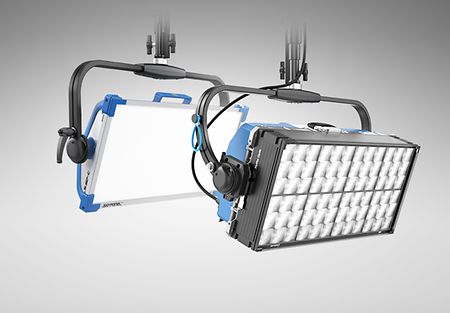
Achievements and Honors
R&D Strength: Our experienced R&D team is dedicated to developing new products, ensuring we stay at the forefront of optical and thermal management technology.
🔬 Why Choose Our Polycarbonate Lenses?
When selecting a manufacturer for your lighting inventory, the quality of the lens material is paramount. We utilize high-grade Bayer or Sabic Polycarbonate resins. Unlike cheaper alternatives, our lenses undergo a Hard-Coating (HC) process which increases surface hardness to 3H-4H on the Pencil Hardness scale.
Thermal management is another critical factor. LEDs generate heat that can cause low-quality plastics to warp or "gas out," creating a hazy film inside the light. Our PC lenses are thermally stabilized to withstand continuous operating temperatures of up to 125°C without deformation.
Furthermore, our 7D and 8D lens designs utilize a hybrid reflector-lens system. The polycarbonate lens acts as a primary optic that captures nearly 99% of the light emitted by the CREE or Osram chips, focusing it into a tight, usable beam pattern that increases visibility by up to 300% compared to standard halogen or low-tier LED units.