Experts LED Lighting
Executive Summary: The Evolution of B2B LED Sourcing
In modern architectural engineering and industrial lighting designs, the transition from traditional glass neon to flexible LED neon strips has revolutionized spatial illumination. The architectural market demands high-performance, energy-efficient, and long-lifespan light sources capable of surviving extreme mechanical stress and environmental exposure. As China consolidated its position as the global hub for optoelectronics manufacturing, selecting the right partner from the dense clusters of LED neon lights factories and exporters became a multifaceted strategic challenge for international procurement managers.
This white paper explores the critical pillars of sourcing and technical quality in the LED Neon Light sector. It reviews the technology roadmap, macro-industry applications, operational systems of Factory 4.0, international compliance mechanisms, and supply chain resilience indicators to facilitate informed procurement decisions.
Key Insight: The B2B LED market is moving beyond simple cost-per-meter comparison. Top-tier global enterprises prioritize long-term performance stability, material composition, low color-shift ratios (SDCM < 3), and verified IP ratings over transactional cost savings.
Pioneering Manufacturing: The Shenzhen Experts LED Benchmark
At the forefront of manufacturing excellence stands Shenzhen Experts LED Lighting Co., Ltd. With over 18 years of specialized experience in high-performance automotive and industrial lighting fields, the company has established a comprehensive manufacturing complex covering more than 35,000 square meters and employing a highly skilled workforce of over 400 employees.
As a recognized National High-Tech Enterprise and named among the Top 20 High-Tech and High-Growth Enterprises in Shenzhen, Shenzhen Experts LED Lighting has engineered custom optics and solid-state lighting architectures that set industry benchmarks. The company serves as a SEMA member and operates under Alibaba SKA certification, reinforcing its reliability as a global supply partner.
With a strong focus on research and development, their engineering department holds over 200 innovation patents, addressing key industry issues such as thermal degradation, optical efficiency, and extreme ingress protection.
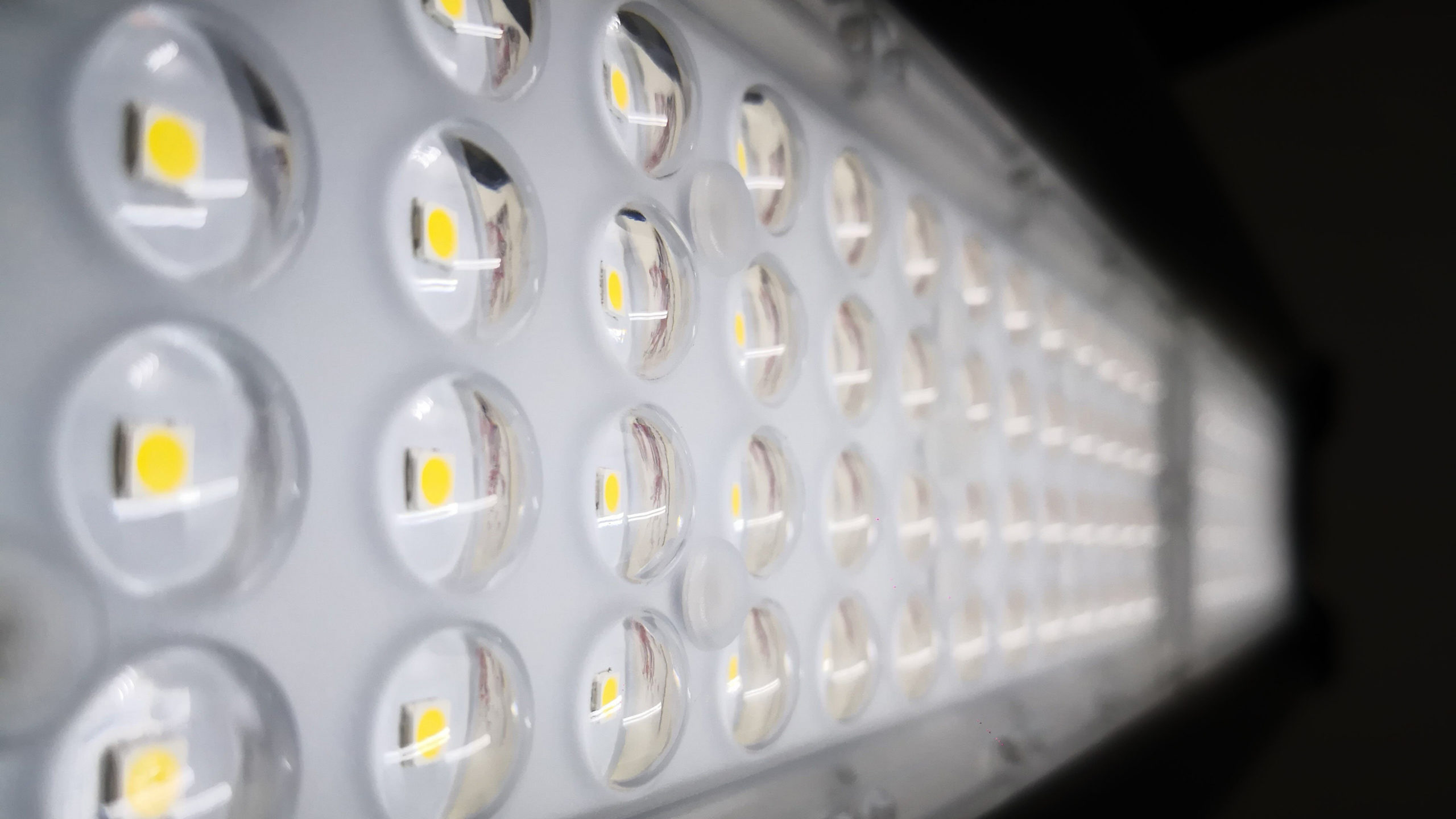
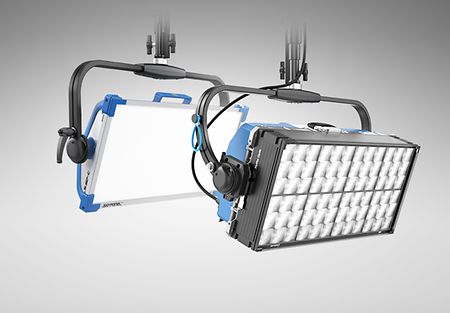
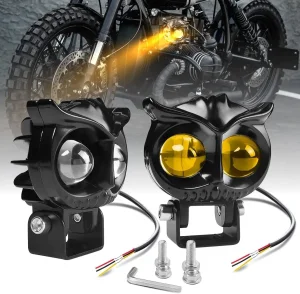
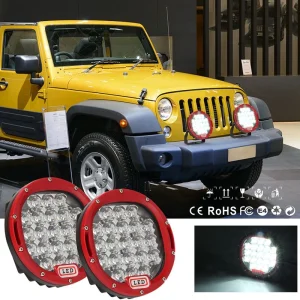
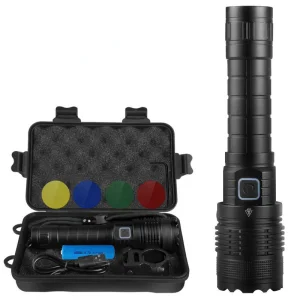
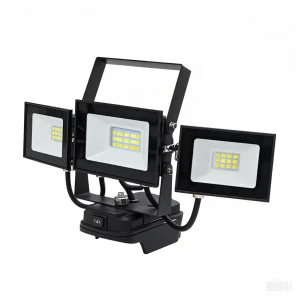
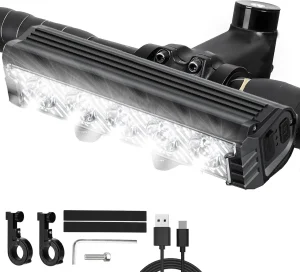
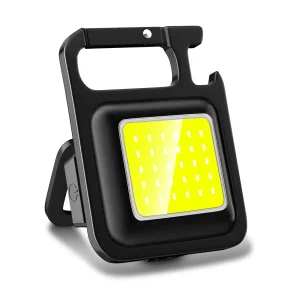
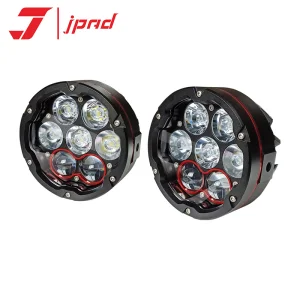
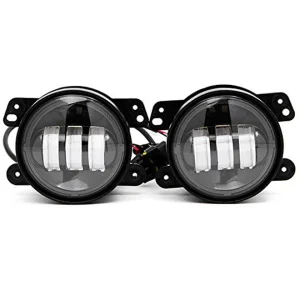
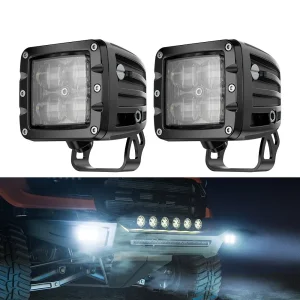
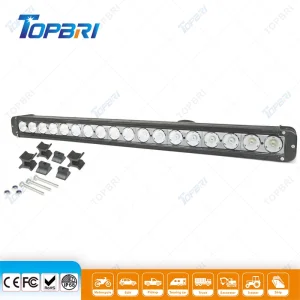
Their extensive product lines include LED Headlight Bulbs, Off-road LED Light Bars, Industrial and Mining Working Lights, LED Round Lights, Marine Lights, Rock Lights, and Scene Lights. Leveraging these cross-domain engineering competencies enables a transfer of performance standards to linear LED neon architectures, including advanced vibration resistance, IP68/IP69K sealing methods, and thermal heat sink dynamics.
Technical Roadmap & Future Outlook of LED Neon Systems
LED neon light systems are transitioning from standard point-to-point illumination elements to smart, integrated architectural components. Understanding this technology roadmap is crucial for future-proofing design and development projects.
Advanced Silicone Co-Extrusion
Replacement of PVC with optoelectronic-grade silicone. Silicone resists ultraviolet (UV) degradation, yellowing, ozone exposure, and maintains elasticity from -50°C to +150°C.
Smart Controls & IoT Protocols
Integration of addressable drivers supporting SPI, DMX512, DALI-2, Zigbee, and Matter. This enables real-time dynamic light control and automated building energy management.
High-Density COB Technology
Chip-on-Board (COB) linear structures eliminate hot-spots, optimize lumens-per-watt efficiency, and allow tight bending radiuses without localized circuit fatigue.
Macro-Industry Solutions & Vertical Applications
LED neon and linear luminaires are versatile tools deployed across high-demand sectors. Modern manufacturers must customize products for different environments:
1. Architectural Façades & Exterior Outlines
Exterior applications require resistance to wind loads, temperature changes, and UV radiation. Standard systems utilize silicone co-extrusion with specialized mounting channels. These configurations feature internal constant-current IC drivers to prevent voltage drops over runs up to 20 meters, ensuring consistent color matching along the building outline.
2. Heavy-Duty Mining & Industrial Operations
Industrial sites, including mines, steel factories, and chemical hubs, require robust, high-lumen, explosion-resistant fixtures. Features like steel-reinforced PVC or heavy silicone protection prevent damage from physical impacts, dust, and corrosive vapors, ensuring reliable performance in hazardous settings.
3. Marine & Offshore Applications
Saltwater environments are highly corrosive. Marine-grade LED neon lights feature IP68 or IP69K connectors, gold-plated internal pins, and chemical-resistant polyurethane or silicone shells. These units are tested for salt spray resistance and submersion, ensuring durability for yacht accents, cruise ships, and dockways.
China Factory 4.0: Supply Chain Resilience & Efficiency
Top-tier Chinese LED manufacturing facilities utilize automated Factory 4.0 processes to ensure production efficiency, reliability, and precision:
- Automated SMD Placement: High-speed surface mount lines place light-emitting diode chips with micrometer-level precision, reducing the risk of cold joints.
- Continuous Vulcanization Extrusion: Computer-controlled continuous extrusion systems run up to 100 meters per line. This maintains consistent chemical and physical profiles throughout the product run.
- Integrated Spectrophotometer Testing: Optical sensors measure color temperature consistency (CCT) and luminous flux in real-time, sorting products into tight chromaticity bins.
Global Procurement Needs & Strategic Decision Framework
International purchasing managers evaluate key metrics beyond unit cost. Strategic selection criteria include:
Localization Support & Compliance Assurance
Operating in international markets requires adherence to regional codes. Top Chinese exporters provide local engineering support, pre-sales custom configuration drawing, and compliance verification. They partner with globally recognized testing agencies, such as TÜV SÜD, Intertek, and UL, to ensure their products meet environmental and safety standards, which accelerates customs clearance and project approvals.