Storing your LED flashlight the right way can greatly influence its battery life. Many people overlook this aspect. They assume any storage method works. However, proper storage is crucial for longevity. So, how to properly store your LED flashlight for long-lasting battery life?
Consider temperature and humidity. Extreme heat or cold can deplete battery power quickly. A dark, dry location is often ideal. Also, avoid leaving batteries in the flashlight for extended periods. This simple act can prevent leakage and corrosion. Some users may forget to check their flashlights regularly, leading to dead batteries when needed.
Moreover, clarity on how you handle your flashlight matters. Regularly clean the connections can enhance efficiency. Store it in a protective case to avoid physical damage. These practices might seem minor, yet they significantly improve your flashlight's lifespan. Addressing these details can ensure that your LED flashlight shines bright when you need it the most.
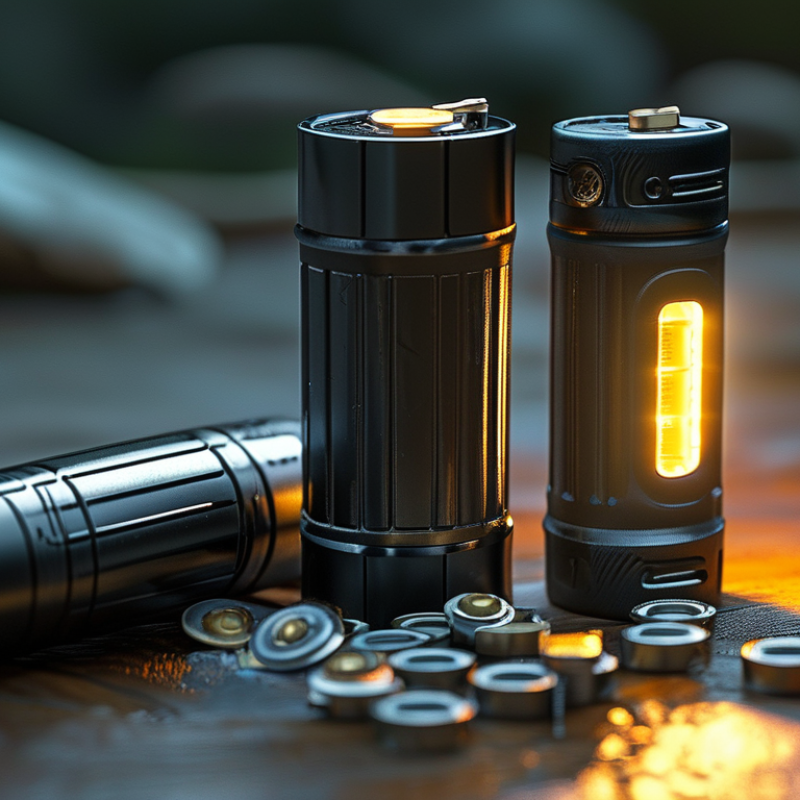
Choosing the Right Storage Environment for Your LED Flashlight
When it comes to storing your LED flashlight, the right environment is crucial for maintaining battery life. Humidity and temperature play significant roles. Ideally, find a cool and dry location. Extreme heat can lead to battery leaks. Cold spots can slow down battery performance.
Tips: Use a climate-controlled space if possible. Avoid basements or attics that might get too hot or too cold. A closet at room temperature can work wonders.
Consider storing your flashlight with the batteries removed. This can prevent potential corrosion. It also helps keep batteries healthy for longer, especially rechargeable ones.
Tips: Check your flashlight and batteries regularly. Look for signs of wear or leakage. It’s better to address small issues before they become bigger problems. Remember, even the best storage practices can’t eliminate all risks, so staying vigilant is key.
Understanding Battery Types and Their Storage Requirements
Storing your LED flashlight correctly is essential for longevity and peak performance. Different battery types have unique requirements. For instance, lithium-ion batteries should be stored at 40%-60% charge. This level helps prevent capacity loss, according to a study by the Battery University. Keeping them fully charged or completely drained can lead to performance issues and reduced lifespan.
Nickel-based batteries, like NiMH, require a different approach. They perform best when stored fully charged. However, they may lose charge over time. Research indicates that these batteries can self-discharge up to 20% per month. To avoid this, check and recharge them regularly. Ensure your flashlight isn’t exposed to extreme temperatures during storage. High heat can damage batteries, reducing their efficiency significantly.
It’s essential to monitor your flashlight's condition periodically. Batteries that show signs of leakage or corrosion should be replaced immediately. Furthermore, proper ventilation is critical in storage areas. This helps prevent heat buildup and potential hazards. Understanding these nuances can ensure your flashlight retains optimal battery life. Be mindful of these factors, as improper storage can lead to frustrations during use.
Properly Discharging Your LED Flashlight Before Storage
Proper discharging your LED flashlight before storage is crucial for maintaining its battery life. According to a study by the National Renewable Energy Laboratory, lithium-ion batteries perform optimally when stored at a 40% charge level. If a flashlight is stored fully charged, the voltage can degrade the battery's chemistry over time. Regularly discharging the battery to that optimal level can extend its lifespan significantly.
Many users overlook this step. While it may seem tedious, neglecting it can lead to diminished light output. After extended use, consider allowing your flashlight to run until it's dim. This simple action can prevent voltage stress. A report from the Battery University notes that storing batteries at full charge increases the risk of reduced capacity by 20% over time. Thus, intentional discharging not only enhances performance but also ensures longevity.
Keeping track of your flashlight's charge level can become an afterthought. However, the consequences of ignoring proper storage practices can be significant. Some flashlights have built-in features to alert users when it's time to recharge. If yours does not, set a reminder. Taking these small actions can make a big difference in your flashlight's overall reliability and effectiveness.
Maintaining Optimal Temperature for Long Battery Life
LED flashlights are essential tools, but storing them properly is crucial for maximizing battery life. One key aspect is maintaining an optimal temperature. Extreme temperatures can degrade battery performance significantly. Keep your flashlight at room temperature. Avoid leaving it in hot or cold environments, such as cars or garages.
Tips:
- Store your flashlight in a dry, cool area.
- Check battery health periodically for long-term use.
- If not in use, remove batteries to prevent leakage.
Unexpected situations may arise. You may be tempted to leave your flashlight in convenient spots. However, consider how temperature fluctuations could affect it. Think about the battery's future and what that potential damage looks like.
Lastly, remember that battery care impacts longevity. Batteries lose charge faster in extreme temperatures. It’s advisable to recharge them rather than letting them discharge completely. This small effort can significantly affect performance in the long run.
How to Store Your LED Flashlight for Long Battery Life? - Maintaining Optimal Temperature for Long Battery Life
| Storage Condition |
Optimal Temperature (°C) |
Recommended Battery Type |
Expected Battery Life (Years) |
Notes |
| Cool & Dry |
15 - 20 |
Lithium-ion |
3 - 5 |
Ideal for longevity |
| Room Temperature |
20 - 25 |
Nickel-Metal Hydride |
2 - 3 |
Maintain a partial charge |
| Cold Environment |
Below 0 |
Lithium-ion |
1 - 2 |
Risk of reduced performance |
| Hot Environment |
Above 30 |
Nickel-Cadmium |
Less than 1 |
Avoid if possible |
Regular Maintenance and Checks for Longevity of Flashlights
Regular maintenance is crucial for the longevity of your LED flashlight. Start by inspecting the battery. Make sure it is free of corrosion. Check the battery contacts as well. Clean them using a soft cloth if there is any dirt. This simple action can significantly enhance performance.
Next, consider the casing of your flashlight. Cracked or damaged casings can expose vital components to moisture and dirt. This vulnerability may lead to malfunctions over time. If you notice any wear and tear, address it promptly. Sometimes, it's easy to overlook minor damages, but they can lead to bigger issues.
Lastly, store your flashlight correctly. Avoid areas with extreme temperatures or humidity. These factors can adversely affect battery life and flashlight function. It’s sometimes tempting to leave it in a convenient spot, but reconsider that choice. Your flashlight deserves a dry, cool place for better upkeep. Regular checks and a little attention can go a long way in ensuring your flashlight is always ready for action.
Battery Life of LED Flashlights Based on Storage Conditions
Conclusion
When considering "How to properly store your LED flashlight for long-lasting battery life?", it is essential to choose the right storage environment. This includes keeping the flashlight in a cool, dry place, away from moisture and extreme temperatures that can damage both the flashlight and its batteries. Understanding that different battery types have specific storage requirements is also crucial for prolonging battery life.
Before storing your LED flashlight, it's advisable to properly discharge it to a safe level, as storing batteries in a fully charged or completely depleted state can lead to reduced performance. Maintaining an optimal temperature range can further enhance battery longevity. Regular maintenance and checks, such as inspecting for corrosion or damage, are also essential to ensure that your flashlight remains in good working condition for future use. Following these guidelines will help you maximize the lifespan of your LED flashlight and its batteries.
 Experts LED Lighting
