 Experts LED Lighting
How to Select LED Light Modules for Custom Auto Lighting?
When customizing your vehicle’s lighting, understanding how to choose LED light modules for custom automotive lighting setups is crucial. The right modules enhance visibility and aesthetics. Many car enthusiasts struggle with options available in the market. Choosing the wrong type can lead to poor performance and dissatisfaction.
LED light modules vary significantly in brightness, color temperature, and design. It’s important to evaluate your specific needs and preferences. You may want bright lights for visibility or unique colors for style. Research is essential. Not every module is compatible with every vehicle. This can lead to wasted time and resources.
Consider seeking expert advice. Consulting professionals in automotive lighting can save you from costly mistakes. Look for reviews and testimonials. Reliable sources of information can guide your decision-making. Remember, there’s no one-size-fits-all solution. Reflect on your choices as you navigate this complex process.
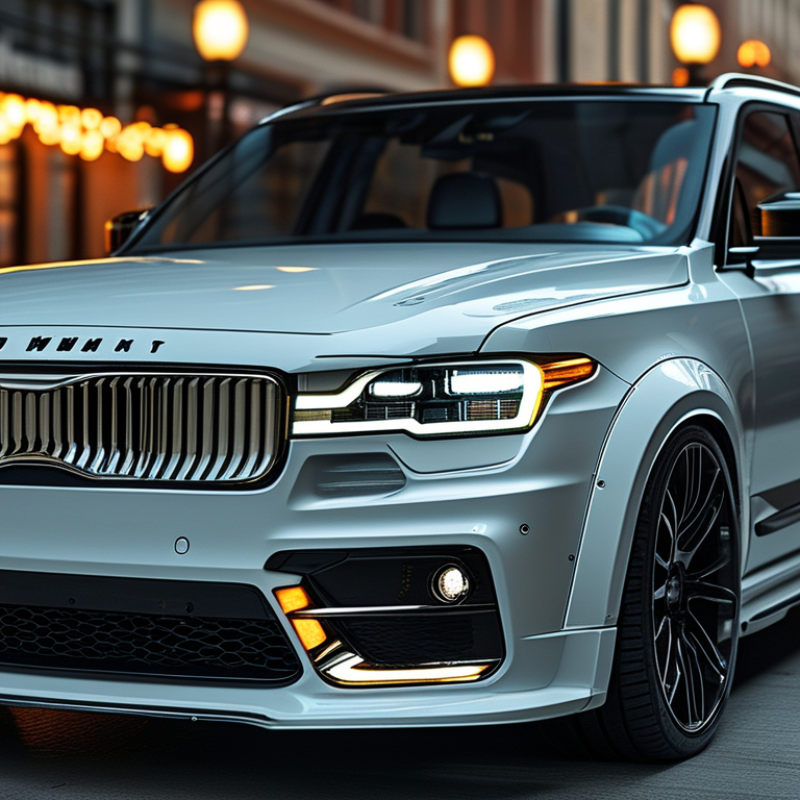
Factors to Consider When Choosing LED Light Modules for Auto Lighting
When selecting LED light modules for custom auto lighting, several important factors come into play. Brightness is crucial. The lumens output should match your intended use. Consider the color temperature as well. Warmer tones may enhance visibility at night, while cooler tones can improve overall appearance during the day.
Another factor is the power consumption. Higher efficiency leads to lower energy costs. Make sure the module can operate within your vehicle's electrical system. Durability also matters. Look for modules that withstand vibration, humidity, and temperature changes. This is critical for long-term use.
Don’t overlook compatibility with your vehicle's design. Measure your available space carefully. Improper fit can lead to unsatisfactory performance. Lastly, always check user reviews and installation guides. Feedback can highlight potential issues. Remember, not every LED module will fulfill your expectations. Make informed choices to achieve the best results for your custom auto lighting project.
How to Select LED Light Modules for Custom Auto Lighting?
| Factor | Description | Considerations |
|---|---|---|
| Brightness (Lumens) | The amount of light emitted by the LED module. | Choose based on the specific application, e.g., headlights, interior lighting. |
| Color Temperature (Kelvin) | The appearance of the light; measured in degrees Kelvin. | Select color temperatures like 3000K for warm white or 6000K for cool white depending on mood. |
| Wattage | The amount of power consumed by the LED module. | Ensure compatibility with vehicle's electrical system to avoid overload. |
| Beam Pattern | The shape of the light produced; focused or diffuse. | Choose based on the intended use; brighter, focused beams for headlights. |
| Durability | The resistance of the module to shocks, vibrations, and weather conditions. | Look for IP ratings indicating water and dust resistance. |
| Heat Dissipation | Ability of the LED to manage heat effectively. | Ensure the modules have proper heat sinks or cooling mechanisms. |
| Ease of Installation | How simple it is to integrate the modules into existing systems. | Look for plug-and-play options to simplify the process. |
| Cost | The price of the LED modules. | Consider the long-term savings in energy and maintenance. |
FAQS
: Compatibility ensures LED modules match the vehicle's electrical system. Improper compatibility may cause flickering or failure to illuminate.
Most LED modules require either 12V or 24V. Verify these ratings to match your vehicle’s specifications.
Installation varies by vehicle make and model. Poor installation can lead to alignment issues or moisture ingress.
About 30% of DIY installations result in improper alignment or insufficient sealing, risking module damage.
Spot, flood, and diffused lights serve different purposes. Choose based on your intended use and environment.
Safety standards ensure products are effective and safe. Compliance helps prevent risks for drivers and passengers.
Research helps ensure you select products meeting safety criteria. Not all products are equal; some may be unsafe.
Certification marks indicate compliance with safety standards. Check for genuine certifications to enhance product reliability.
Yes, generic products might lack proper testing, increasing safety risks. Always choose products from reputable sources.
No, not every installation is perfect. Expect some trial and error as you find the right setup.
Conclusion
In the pursuit of enhancing custom automotive lighting, one crucial question arises: "How to choose LED light modules for custom automotive lighting setups?" Selecting the right LED light modules involves several critical factors, including brightness, color temperature, compatibility with existing vehicle systems, and installation ease. It is essential to evaluate the various types of LED modules available, ensuring they meet the specific requirements for your vehicle's lighting applications.
Additionally, measuring brightness and color temperature helps in selecting modules that provide the desired ambiance and visibility. Consideration of safety standards and regulations is vital to ensure that the chosen lighting solutions comply with automotive industry guidelines. By understanding these elements, automotive enthusiasts can successfully integrate LED light modules that elevate the functionality and aesthetics of their vehicles.
