How Do LED Work Lights Survive Harsh Job Site Conditions?

Time:2026-06-29 Author:Liam
0%

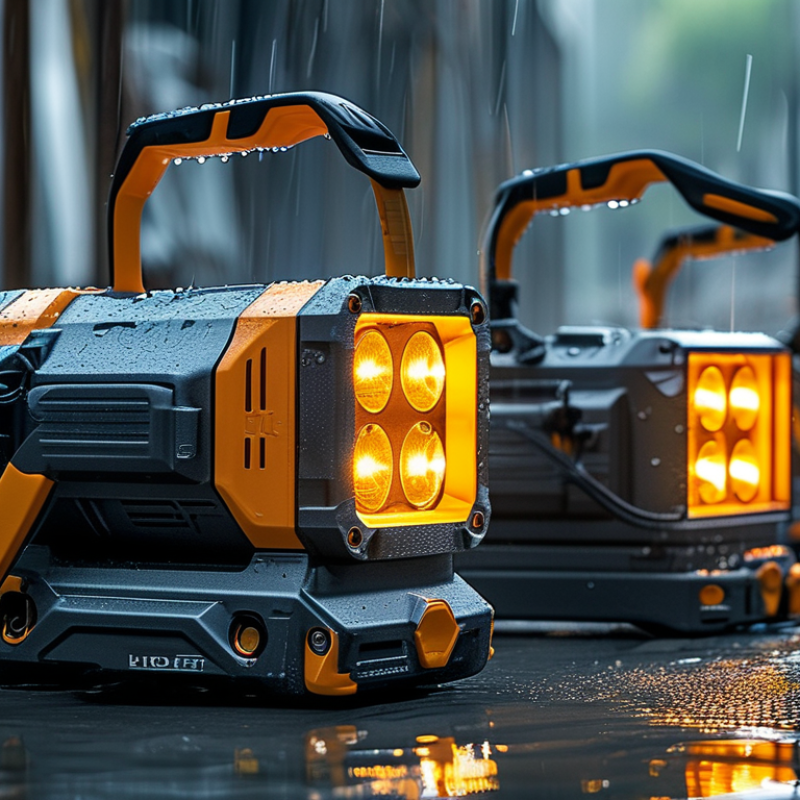
LED work lights are essential tools on job sites, known for their durability and efficiency. These lights are often exposed to harsh conditions. But how do LED work lights handle harsh weather conditions on job sites? Their design minimizes damage from elements like rain, dust, and extreme temperatures.

Robust materials are used in LED work lights. These ensure resistance to impacts and corrosion. Many models include weatherproof enclosures. This protects the sensitive components inside. The lights produce bright illumination while consuming less energy. This combination makes them ideal for rigorous tasks.

Yet, challenges remain. Some users may find that not all LEDs perform equally in severe conditions. Regular maintenance is sometimes overlooked. This can impact their longevity. It's crucial for users to assess the specific needs of their job sites. Understanding the limitations and strengths of LED work lights can enhance their effectiveness in challenging environments.
How Do LED Work Lights Survive Harsh Job Site Conditions?

Understanding LED Technology in Work Lights

LED technology has revolutionized work lights, making them resilient and effective in harsh environments. Their durability comes from solid-state construction, which means there are no fragile parts like filaments. This enables them to withstand vibrations, impacts, and extreme temperatures, essential features for construction sites or outdoor work. They often include sealed enclosures, protecting the internal components from dust and moisture.

The efficiency of LED work lights is impressive. They convert a higher percentage of energy into visible light compared to traditional bulbs. This not only enhances brightness but also prolongs lifespan. Many LED lights can last over 50,000 hours. Such longevity reduces the frequency of replacements, which can be costly and time-consuming in demanding settings.

Despite these advantages, not all LED work lights are created equal. Users should evaluate their light output and beam patterns based on their specific needs. Additionally, some work environments may still require robust design features that LEDs might not always meet. Experimentation and proper selection are necessary to find the best solution for individual job site conditions.

Durability Features of LED Work Lights

LED work lights are designed to withstand challenging job site conditions. Their durability is one of the key features that differentiate them from traditional lighting options. Many LED work lights are built with rugged materials, such as high-grade aluminum and toughened glass. These materials provide resistance to impact and harsh weather. According to a report by the Illuminating Engineering Society, LEDs have a lifespan of up to 50,000 hours, significantly outlasting other light sources.

Water resistance is another crucial aspect. Many LED work lights come with an IP65 or higher rating. This means they can tolerate water jets, making them suitable for use in rain or humid environments. A survey by the Occupational Safety and Health Administration (OSHA) found that over 25% of workplace accidents occur due to inadequate lighting. Thus, selecting durable and reliable LED work lights could potentially reduce such incidents.

However, not all LED work lights are created equal. Some may not meet the rigorous standards required for construction or industrial sites. Users should be vigilant in assessing both performance and construction quality. Additionally, investing in cheaper options may lead to shorter lifespans and increased costs in the long run. Therefore, understanding durability features is essential for anyone in charge of work site safety.

Impact Resistance and Waterproof Ratings

When it comes to job sites, harsh conditions are a given. This is where LED work lights shine, literally and figuratively. Impact resistance is crucial for these lights. A dropped light shouldn't shatter like glass. Instead, high-quality LED work lights are made from durable materials. They often feature reinforced casings that can withstand falls and rough handling.

Waterproof ratings add another layer of protection. Many LED work lights boast IP ratings that reflect their ability to resist water and dust. An IP65 rating, for instance, means dust-tight and protected against low-pressure water jets. Such resilience is essential when lights are exposed to rain or damp environments.

Yet, not all LED work lights are created equal, and buyers should evaluate their needs carefully. Some lights may promise high impact and waterproof ratings but fail to deliver in real-world scenarios. Real-life tests and user reviews reveal inconsistencies. It’s important to seek out products that demonstrate reliable performance in challenging conditions.

How Do LED Work Lights Survive Harsh Job Site Conditions?

Feature Description Rating
Impact Resistance Measures the ability to withstand drops and impacts. IK08
Waterproof Rating Indicates protection against water ingress. IP67
Temperature Range Operating temperature range for different worksite conditions. -20°C to 40°C
Power Source Type of power supply used for operation. AC/DC Adapter/Battery
Light Output Brightness measured in lumens. 2000 lumens
Material Construction material used for durability. Aluminum/Plastic

Heat Dissipation Mechanisms in Harsh Environments

LED work lights are engineered to endure tough job site environments. A key factor in their longevity is the heat dissipation mechanisms in place. These mechanisms prevent overheating, which can be detrimental to light performance and lifespan. Effective heat management is critical in areas with extreme temperatures, dust, and moisture.

Many LED lights use aluminum housing for its excellent thermal conductivity. This metal can efficiently transfer heat away from LED chips. Additionally, some models incorporate heat sinks and passive cooling designs. These features allow the lights to operate at lower temperatures. However, not all designs are flawless. Some may struggle in prolonged high-heat conditions, risking performance.

Another aspect worth noting is the role of airflow in heat dissipation. In congested or enclosed spaces, airflow may be limited. The effectiveness of a light's cooling system can diminish greatly. It's essential to consider the work environment when selecting LED lights. The balance between durability and heat management is delicate, and sometimes overlooked. A thoughtful approach can enhance the reliability and efficiency of LED work lights on any job site.

Power Sources and Energy Efficiency in Job Sites

Job sites often present challenging environments. Harsh weather and rugged conditions are common. Portable LED work lights must endure these scenarios. Their design and functionality are crucial to ensuring they perform effectively in varying conditions.

Power sources for LED work lights vary significantly. High-capacity batteries are popular, offering mobility. However, battery life can diminish in extreme temperatures. On-site charging stations may be necessary, yet they aren't always available. Some LEDs connect to generators, which ensure consistent power. But, generators can be noisy and cumbersome, affecting workflow.

Energy efficiency is another vital aspect. LEDs consume less power than traditional options. This translates into longer usage on a single charge. However, the brightness may need adjusting based on task requirements. Sometimes, workers find themselves battling inadequate light. This miscalculation can lead to error-prone situations. It's essential for users to assess their specific needs carefully. Understanding the limitations of each energy source can significantly enhance work efficiency.

FAQS

: What are the main advantages of LED work lights?

: LED work lights are durable, efficient, and long-lasting. They can withstand harsh conditions like vibrations and extreme temperatures.

How long can LED work lights typically last?

Many LED work lights can last over 50,000 hours, reducing replacement frequency and costs over time.

What materials are used in the construction of LED work lights?

Aluminum housing is common due to its excellent heat conductivity. Some models also have heat sinks for better heat management.

Do all LED lights perform well in high-heat environments?

No, some LED designs may struggle in extreme heat, which can affect performance and lifespan.

How important is airflow to the performance of LED work lights?

Airflow is crucial for heat dissipation. Limited airflow can reduce the effectiveness of cooling systems in enclosed spaces.

What are the common power sources for LED work lights?

High-capacity batteries and generators are popular. However, battery life can drop in extreme temperatures, requiring on-site charging.

How does energy efficiency impact the use of LED lights?

LED lights consume less power, allowing longer usage. Incorrect brightness adjustments can lead to inadequate lighting at times.

Are all LED work lights suited for every job environment?

No, it’s important to evaluate light output and design features based on specific job site conditions.

What should users consider regarding lighting requirements?

Users need to understand their specific lighting needs to avoid errors caused by insufficient illumination.

Is it easy to find the right LED work light for a job site?

It can be challenging. Proper selection involves experimenting to find the best fit for individual conditions.

Conclusion

LED work lights are designed to withstand the demanding conditions often found at job sites. Understanding LED technology reveals that these lights use durable components that enhance their longevity and performance. Key durability features include impact resistance and waterproof ratings, which ensure that the lights can function effectively even in adverse weather and rugged environments.

Furthermore, effective heat dissipation mechanisms are crucial for maintaining performance under harsh conditions, preventing overheating and ensuring consistent illumination. Power sources play a significant role in the energy efficiency of LED work lights, allowing them to operate reliably while minimizing energy consumption. Overall, answering the question of "How do LED work lights handle harsh weather conditions on job sites?" involves examining their robust construction, efficient heat management, and energy-efficient power solutions, all of which contribute to their resilience and functionality in tough environments.

Liam

Liam

Liam is a dedicated marketing professional with a profound expertise in the industry, where he excels at highlighting the unique advantages of our core products. With a keen understanding of market trends and consumer needs, Liam frequently updates our company’s professional blog, providing......