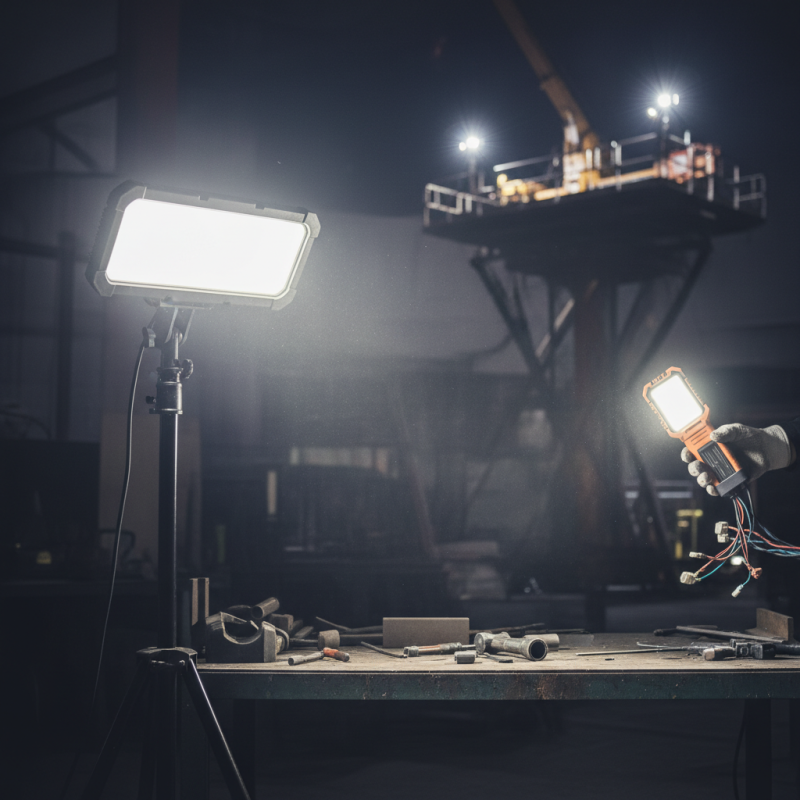
LED work lights are becoming increasingly popular in various fields. They provide bright illumination and energy efficiency. However, many users wonder, "How long do LED work lights typically last and what affects their lifespan?"
The lifespan of LED work lights can vary significantly. Factors such as the quality of components, usage frequency, and environmental conditions play crucial roles. For instance, lights used in harsh environments may degrade faster than those in controlled settings. Understanding these influences helps users make informed choices.
In addition to physical conditions, how lights are used also matters. Overheating due to improper ventilation can shorten their lifespan. While many LED lights last thousands of hours, varying practices can lead to unexpected failures. It’s essential to consider these aspects when purchasing or maintaining LED work lights.
Factors Influencing the Lifespan of LED Work Lights
LED work lights are renowned for their longevity, but several factors can impact their lifespan significantly. The quality of materials used in the craftsmanship can make a difference. High-grade LEDs often have a lifespan rating of around 50,000 hours. However, the actual functioning hours can be much less due to poor heat dissipation or inferior components.
Heat is a critical factor. Excessive heat can cause LEDs to degrade faster. According to a report by the International Energy Agency, proper thermal management can extend LED lifespan by 20% or more. Additionally, environmental conditions play a role. High humidity, dust, and extreme temperatures can shorten the operational life of LED work lights. Regular maintenance, such as cleaning the fixtures, can help mitigate these issues.
Power supply stability also matters. Fluctuations in voltage can affect performance and longevity. Research indicates that LEDs powered consistently within their voltage range have a longer lifespan. Yet, many users overlook this nuance. It's essential to consider these factors, as they can mean the difference between a reliable light source and a premature failure.
How Long Do LED Work Lights Last and Factors Affecting Lifespan?
| Factor |
Impact on Lifespan |
Average Lifespan (Hours) |
| Quality of LEDs |
Higher quality typically leads to longer lifespan |
25,000 - 50,000 |
| Cooling Mechanism |
Effective cooling can enhance lifespan |
30,000 - 60,000 |
| Usage Conditions |
Frequent on/off cycles can reduce lifespan |
20,000 - 40,000 |
| Environmental Factors |
High humidity and extreme temperatures affect performance |
15,000 - 35,000 |
| Power Supply Quality |
Stable power supply increases lifespan |
25,000 - 55,000 |
Average Lifespan of Different LED Work Light Models
When assessing the average lifespan of LED work lights, it’s crucial to consider various models available on the market. Standard LED work lights typically last between 25,000 to 50,000 hours. However, some high-quality models can exceed this range, reaching up to 100,000 hours under optimal conditions. A report from the Department of Energy indicates that LED technology can last longer than traditional lighting solutions due to reduced heat generation.
Different factors significantly influence the lifespan of these lights. The quality of materials and the design play vital roles. For instance, lights with better heat dissipation features tend to last longer. Environmental conditions are also critical. Exposure to moisture, dust, and extreme temperatures can greatly shorten an LED work light’s lifespan. Some studies suggest that proper usage and maintenance can further extend their longevity, but inconsistencies in how users handle lights often lead to reduced performance.
Another aspect to examine is energy efficiency. More efficient models not only save on electricity but generally boast improved durability. Yet, the initial investment can sometimes be daunting. Users often grapple with how to balance cost versus longevity, which raises questions about the best purchase choices. Understanding these variables will aid in making informed decisions regarding LED work lights.
Average Lifespan of Different LED Work Light Models
Environmental Conditions Impacting LED Work Light Durability
Environmental conditions significantly impact the durability and lifespan of LED work lights. Various factors such as temperature, humidity, and exposure to dust or water can greatly affect their performance. Research indicates that extreme temperatures can lead to thermal damage, reducing LED lifespan by up to 50%. The ideal operating temperature range is typically between -20°C to 40°C.
High humidity levels may foster corrosion within electrical components. This can cause premature failure or flickering of lights. Additionally, exposure to dust and particulates can obstruct ventilation and impede proper heat dissipation. When LEDs are not cooled effectively, their efficiency diminishes. A study found that regular maintenance significantly increases longevity, ensuring dust and moisture do not accumulate.
Users should also consider mounting locations. Direct exposure to the elements can lead to water ingress. Some work environments amplify these risks, highlighting the need for environmental assessments before installation. Protective housing can mitigate many of these factors, but not all scenarios allow for this. Implementing a regular inspection schedule may be necessary in harsh environments to avoid unexpected outages.
Maintenance Tips to Extend LED Work Light Lifespan
To extend the lifespan of LED work lights, regular maintenance is key. First, keep the lights clean. Dust and dirt can accumulate on the lens. Use a soft cloth or a gentle cleaner to wipe off grime. This simple action can prevent overheating, ensuring the lights operate efficiently. Regularly check for loose connections as well. Tighten any screws or connectors that might be loose, which can help avoid flickering.
Another factor affecting longevity is temperature management. LED work lights perform best in cool environments. If possible, avoid exposing them to high heat or humidity. Using ventilation can mitigate heat buildup. It's also wise to utilize them in recommended settings. Overuse, especially at high brightness, can lead to premature failure.
Lastly, consider the storage of these lights. When not in use, store them in dry, cool areas. Avoid placing them where they might be exposed to physical damage or extreme temperatures. Reflecting on these maintenance tips can enhance their performance. Regular checks can make a notable difference over time.
Comparing LED Work Lights to Other Types in Terms of Longevity
LED work lights are known for their impressive longevity, often lasting between 25,000 to 50,000 hours. In comparison, traditional incandescent bulbs last only 1,000 hours, while fluorescent lights typically reach about 7,000 to 15,000 hours. The materials and technology behind LEDs contribute to their extended lifespan, such as heat dissipation and energy efficiency.
Tips: Look for work lights with quality heat sinks. Heat is a major factor in reducing the lifespan of lights. Choosing a durable housing can also help.
However, various factors affect the lifespan of LED work lights. Environmental conditions play a significant role. Extreme temperatures, humidity, and exposure to dust can shorten their lifespan. Poor-quality LEDs may also fail sooner. It's essential to consider these elements when selecting lights for specific environments.
Tips: Regular maintenance helps prolong LED lifespans. Keep fixtures clean and free from dust. Monitoring usage can also prevent overheating.
FAQS
: They usually last between 25,000 to 50,000 hours.
Yes, some high-quality models can last up to 100,000 hours.
Key factors include material quality, design, and environmental conditions.
Poor heat dissipation can reduce their lifespan significantly.
Yes, regular cleaning and monitoring usage can help.
More efficient models save on electricity and usually last longer.
Exposure to moisture, dust, and extreme temperatures is detrimental.
The initial cost can be higher, which may deter some users.
Inconsistent handling and poor maintenance often lead to issues.
Keep fixtures clean and avoid overheating.
Conclusion
When considering "How long do LED work lights typically last and what affects their lifespan?", several key factors come into play. The average lifespan of LED work lights varies among different models, often ranging between 25,000 to 50,000 hours. Influential factors include the quality of components used, heat dissipation, and the specific usage patterns of the lights. Environmental conditions, such as extreme temperatures, humidity, and exposure to dust or water, can significantly impact durability and functionality.
Regular maintenance is crucial for extending the lifespan of LED work lights. Simple practices like keeping the lights clean, ensuring proper ventilation, and avoiding overuse can enhance performance. Additionally, when comparing LED work lights to other lighting types, such as halogen or incandescent bulbs, LEDs clearly demonstrate superior longevity and energy efficiency, making them a more sustainable choice for a variety of applications.
 Experts LED Lighting