In construction, visibility is crucial for safety and efficiency. How do LED work lights improve visibility on construction sites? According to the U.S. Bureau of Labor Statistics, construction site accidents often occur due to poor lighting conditions. A staggering 30% of these incidents could be mitigated with better illumination.
LED work lights provide bright, focused lighting that significantly enhances visibility. Their ability to emit a wide spectrum of light allows workers to see details clearly, even in dark corners. Additionally, LED lights consume less energy and have a longer lifespan compared to traditional lighting options. This efficiency contributes to cost savings for construction companies.
However, not all LED work lights are created equal. Factors such as brightness, color temperature, and beam angle can impact effectiveness. Construction managers must carefully evaluate these features to choose the best lighting solutions. By prioritizing quality, they can ensure a safer working environment, ultimately reducing risks associated with accidents.
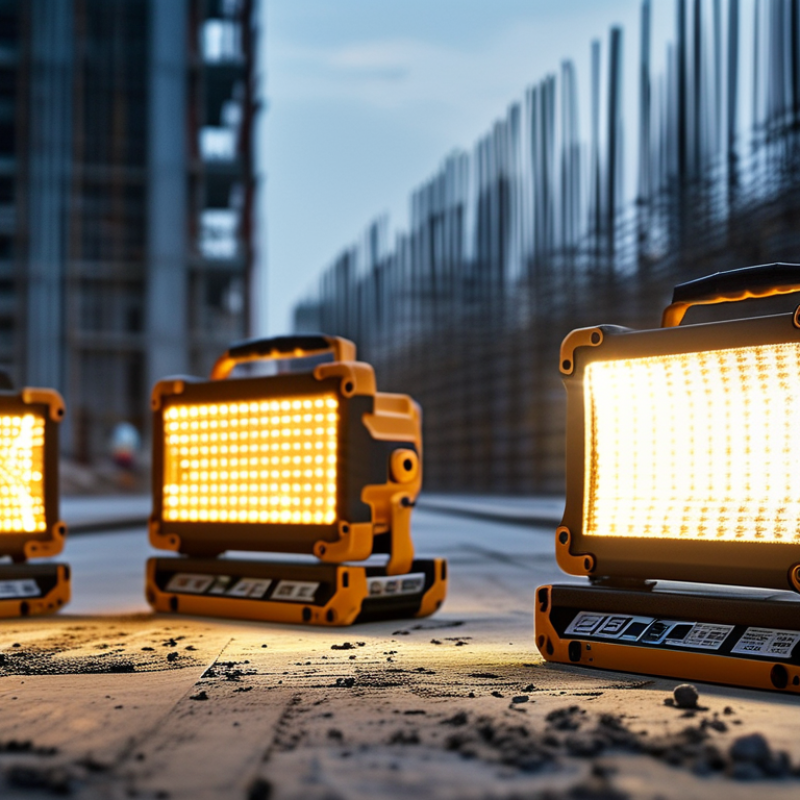
The Importance of Visibility in Construction Sites
Visibility is crucial on construction sites. Adequate lighting reduces the risk of accidents. It allows workers to see clearly, especially in low-light conditions. Poor visibility can lead to injuries, delays, and costly mistakes.
LED work lights are particularly effective in enhancing visibility. They produce bright, focused light that illuminates large areas. This helps workers identify obstacles and hazards quickly. The intensity of LED lights can make a significant difference in safety. When workers can see their environment clearly, they can perform tasks more efficiently.
However, many construction sites still struggle with insufficient lighting. This can be due to budget constraints or lack of awareness. It's important to evaluate the lighting situation regularly. Are there dark areas that need more light? Could different placements improve visibility? Reflecting on these questions can lead to safer work environments for everyone involved.
The Role of LED Technology in Work Lights
LED technology has transformed visibility on construction sites. The bright, directional light provided by LED work lights significantly enhances safety and efficiency. According to a report by the Illuminating Engineering Society, LED lights can improve visibility by up to 70% compared to traditional lighting options. This substantial increase in clarity is vital for construction crews, allowing them to identify hazards quickly.
LED work lights consume less energy than their incandescent counterparts, with reports showing energy savings nearing 80%. This efficiency not only reduces operational costs but also lowers heat production. Less heat means decreased risk of burns or heat-related ailments on-site. However, relying solely on LED technology poses challenges. If the lights are not positioned correctly, some areas may remain inadequately illuminated, leading to potential oversights.
Moreover, while LEDs are durable, they have specific temperature and humidity thresholds. In extreme conditions, performance can diminish. Mistakes may arise if workers underestimate these limits. Training and awareness are necessary to maximize the effectiveness of LED lights. Utilizing LED technology can undeniably enhance visibility, but it requires careful implementation and ongoing evaluation to ensure optimal conditions at all times.
Advantages of LED Work Lights Over Traditional Lighting
LED work lights have revolutionized visibility on construction sites. These lights typically produce brighter illumination than traditional halogen or incandescent options. The improved brightness helps workers see clearly, even in dim conditions. This clarity reduces the risk of accidents and enhances productivity.
One of the advantages of LED work lights is their energy efficiency. They consume less power, meaning lower electricity bills for construction teams. Plus, they have a longer lifespan. This reduces the frequency of replacements, ultimately cutting costs. However, some may find initial investments higher than traditional lights. Weighing upfront costs against long-term savings is essential.
Tips for selecting LED work lights include considering lumen output and beam angle. Higher lumens result in brighter lights, while wider beam angles offer better coverage on larger sites. Assessing the specific needs of each project is crucial for effective lighting solutions. Remember, not every site is the same. Taking time to evaluate conditions ensures optimal safety and performance.
Advantages of LED Work Lights Over Traditional Lighting
Factors Influencing Light Placement for Maximum Visibility
Effective light placement is crucial on construction sites. Optimal visibility reduces accidents and improves productivity. A study by the National Institute for Occupational Safety and Health (NIOSH) highlights that improper lighting contributes to approximately 25% of all construction injuries. Thus, understanding factors that influence light placement is essential.
Height, angle, and type of light significantly affect visibility. Placing lights too high may create shadows, obscuring critical areas. According to the American National Standards Institute (ANSI), lights positioned at about eye level offer the best illumination. This height ensures minimal shadowing. Additionally, using a combination of direct and indirect lighting can enhance overall site visibility.
Area coverage is another vital factor. The Illuminating Engineering Society (IES) recommends at least 10 feet-candles of light for construction zones. However, achieving this level consistently can be challenging. Certain areas may remain dim despite adequate lighting. Reflections off surfaces or equipment can create glare, making it difficult for workers to see clearly. Regularly assessing light placements can help address these challenges and improve safety.
How do LED work lights enhance visibility on construction sites? - Factors Influencing Light Placement for Maximum Visibility
| Factor |
Description |
Impact on Visibility |
Recommended Placement |
| Height |
The elevation at which lights are installed. |
Higher placements provide wider coverage. |
Above 10 feet for broad areas, lower for focused tasks. |
| Angle |
The direction in which lights are pointed. |
Proper angling reduces shadows and glare. |
Angle downwards towards work areas. |
| Lumens |
A measure of light output. |
Higher lumens increase brightness and visibility. |
Use fixtures with at least 5000 lumens. |
| Color Temperature |
Measured in Kelvin, indicating warmth or coolness. |
Cooler temperatures (5000K) enhance visibility. |
Opt for lights around 5000K for outdoor work. |
| Number of Lights |
Quantity of fixtures used on site. |
More lights improve coverage and minimize dark spots. |
Deploy multiple fixtures for extensive areas. |
Safety Enhancements Through Improved Lighting Conditions
Construction sites can be dangerous, especially in low-light conditions. LED work lights can significantly enhance visibility. They provide bright, focused illumination, allowing workers to see their tools and surroundings clearly. This is crucial for safety. When visibility is improved, the risk of accidents decreases.
Good lighting helps to identify hazards. Shadows can hide potential dangers, leading to missteps. With effective LED lighting, these shadows are minimized. Workers can spot obstructions or uneven surfaces. They can also see each other better, reducing the chance of collisions. Poor visibility often leads to injuries. Therefore, better lighting is a vital safety enhancement.
However, not all lighting solutions are equal. It's essential to consider the placement and brightness levels of LED lights. Overly bright lights can create glare, which is just as hazardous. A balance must be struck for optimal visibility. Regularly assessing the effectiveness of lighting on-site is necessary. Workers' feedback can help ensure conditions remain safe.
FAQS
: Visibility reduces accidents and allows workers to see clearly, especially in low-light conditions.
LED lights produce bright, focused light, making it easier for workers to identify obstacles and hazards quickly.
LED work lights consume less energy, achieving energy savings of nearly 80% compared to traditional lights.
If lights are not positioned correctly, some areas may stay inadequately illuminated, leading to potential issues.
Proper light placement reduces shadows and improves visibility, decreasing the risk of accidents on-site.
The Illuminating Engineering Society recommends at least 10 feet-candles of light for construction areas.
Regular assessments can identify dark areas and improve lighting effectiveness, enhancing overall safety.
Yes, LEDs have specific temperature and humidity thresholds; performance may diminish under extreme conditions.
Using both direct and indirect lighting improves visibility and reduces glare on work sites.
Mistakes may occur due to inadequate vision, leading to injuries or costly errors.
Conclusion
LED work lights play a crucial role in enhancing visibility on construction sites, addressing the fundamental need for clear illumination during various tasks. The use of advanced LED technology provides several advantages over traditional lighting systems, such as energy efficiency, longer lifespan, and better brightness control. These features not only improve visibility but also contribute to safer working conditions by reducing the risk of accidents and ensuring that workers can perform their tasks effectively, even in low-light situations.
When considering "How do LED work lights improve visibility on construction sites?" factors such as proper light placement and orientation are equally important. Strategic positioning of these lights maximizes their impact, allowing for comprehensive coverage of the site. Enhanced visibility through well-placed LED lighting not only boosts productivity but also fosters a safer environment, ultimately leading to improved outcomes in construction projects.
 Experts LED Lighting
