When faced with the question, "Why can't I get my LED light bar to work properly on my truck?", many truck owners may feel frustrated. LED light bars have become essential accessories for enhanced visibility during off-road adventures. According to a recent report by the Specialty Equipment Market Association (SEMA), LED lighting products now account for over 30% of the aftermarket lighting industry.
Despite their advantages, issues can arise with LED light bar installation. Proper wiring, compatible voltage, and quality of the components are critical factors. Research indicates that approximately 20% of LED light bar failures are caused by wiring problems. Poor connections or incorrect power sources can hinder performance.
In addition, environmental factors play a role. Corrosion from moisture can diminish functionality over time. Users should consider inspecting their setups regularly to ensure optimal performance. Diagnosing issues can be challenging, causing doubt and confusion among users. Addressing these technical problems proactively may yield better results.
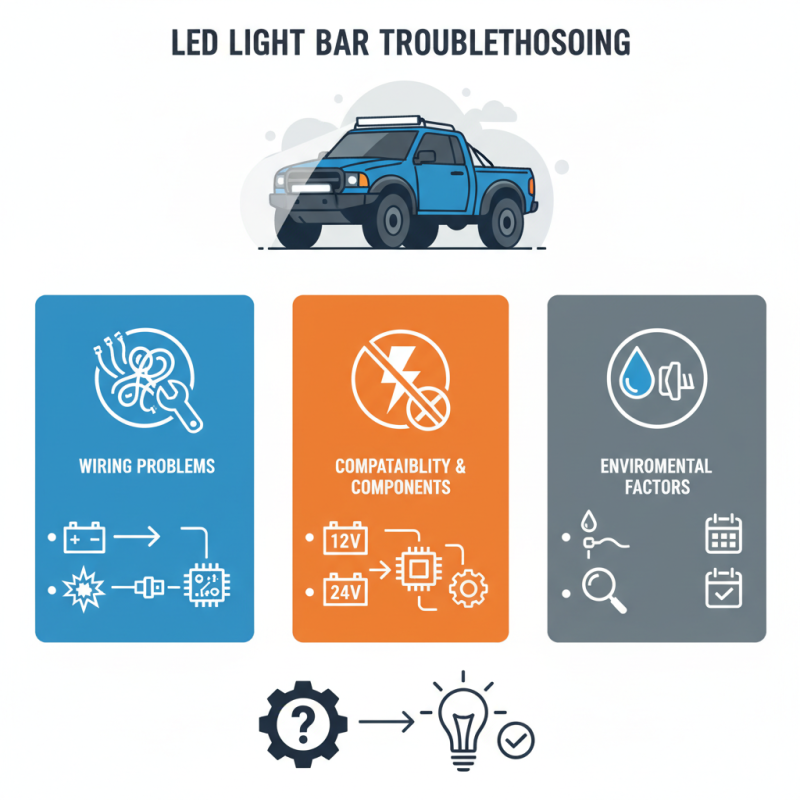
LED light bars are popular choices for trucks. They provide enhanced visibility and improved safety during night drives. To understand their functionality, it's essential to grasp how they work. LED stands for light-emitting diode. This technology is efficient and generates less heat than traditional bulbs. According to the U.S. Department of Energy, LEDs use at least 75% less energy. This efficiency can lead to longer battery life, especially crucial for off-road enthusiasts.
Installation plays a key role in performance. Drivers must ensure proper wiring and secure mounting. A loose connection can lead to flickering or complete failure. Recent data from the Specialty Equipment Market Association (SEMA) indicates that improper installation is a common issue reported by truck owners. Regular maintenance, including checking connections and cleaning lenses, can prevent many problems.
Another aspect to consider is the light bar's rating. Waterproof and dustproof ratings are critical for durability. A rating of IP67 means the light bar can withstand submersion in water up to 1 meter for 30 minutes. Many users overlook this, leading to premature failures. Environmental factors can also impact performance, like temperature fluctuations affecting bulbs. Awareness of these details ensures a better experience and longer life for your LED light bar.
When your LED light bar is not functioning properly, it can cause frustration. Several common issues could lead to this problem. One frequent culprit is a blown fuse. Checking the fuse box for any damaged fuses is a good first step. If you notice a burnt fuse, replacing it may restore your light bar's functionality.
Wiring problems are another common cause. Loose connections, frayed wires, or corroded terminals can hinder performance. Inspect the wiring harness carefully. Ensure all connections are secure, and look for any signs of wear. Sometimes, moisture can enter the connections, leading to shorts. Sealing connections with weatherproof materials can prevent this issue.
Finally, the light bar itself might have internal defects. Sometimes, manufacturers overlook quality control, leading to malfunctioning products. If your light bar showed signs of problems soon after installation, it could be a manufacturing flaw. In this case, consider consulting a professional or reaching out to the manufacturer for support.
| Cause | Description | Solution |
|---|---|---|
| Power Supply Issue | Insufficient power or a faulty connection to the LED light bar. | Check wiring and ensure the power source is functional. |
| Burnt Out LEDs | One or more LEDs may have burned out, affecting the entire light bar. | Inspect the LEDs and replace any that are nonfunctional. |
| Overheating | Excess heat can damage the LED components. | Ensure proper ventilation and check for obstructions. |
| Poor Ground Connection | Inadequate grounding can lead to electrical issues. | Tighten or clean the ground connection on the chassis. |
| Faulty Switch | The switch that controls the light bar may be defective. | Test the switch and replace it if necessary. |
When your LED light bar isn't functioning, diagnosing the issue can be tricky. Start by checking the power supply. Ensure the connections are tight and corrosion-free. A loose or oxidized connection might lead to intermittent failures. If your light bar has a switch, make sure it's operational. Sometimes, the simplest solutions are overlooked.
Next, inspect the wiring harness. Look for frays or breaks in the wire. A damaged wire may interrupt the current flow, leading to failure. Pay extra attention to areas where the wire bends or rubs against surfaces. These spots are often weak points. If everything checks out, consider testing the LED light bar on another vehicle. This can help determine if the light bar itself is faulty.
Tips for effective diagnosis:
- Keep a multimeter handy. It can measure voltage and continuity, making identification easier.
- Document your findings. Noting every step can help in understanding recurring issues.
- Don't skip the fuse check. A blown fuse is a common and easy-to-fix problem.
Connecting to a reliable power source is crucial for the LED light bar's performance. If you struggle with any step, seek expert advice. Sometimes a second opinion makes all the difference.
If your LED light bar isn’t working on your truck, it can be frustrating. Start troubleshooting by checking the power source. Ensure that the fuse is intact. If the fuse is blown, replace it with one of the same rating. Next, inspect the wiring. Look for any loose connections, frayed wires, or corrosion. These issues are often the culprits behind malfunctioning lights.
Testing the switch is another crucial step. Sometimes, the problem lies in the switch itself. Use a multimeter to check if power is reaching the light bar. If there’s no voltage, consider replacing the switch. Additionally, ensure that the ground connection is secure. A poor ground can disrupt the electric current, preventing the LED light from functioning.
Tips: Always use protective gear when troubleshooting electrical components. Working on a vehicle can be hazardous. Don't rush through your checks; take the time to carefully inspect each part. If you’re uncertain about a step, consult an expert or ask for help. It’s better to be thorough than to overlook a simple issue. Trust your instincts if something doesn’t feel right.
If your LED light bar is not working, you might wonder when it's time to bring in a professional. Understanding the typical issues can help you decide. Sometimes, it's as simple as a blown fuse, which you can check easily. But other problems may arise from faulty wiring or a defective light bar.
Common signs that you need expert help include flickering lights or no power at all. These issues suggest deeper electrical problems. If you hear unusual sounds or smell burning, stop using the light bar immediately. It’s best not to handle these situations on your own. This is where a skilled technician can ensure safety and proper functionality.
Before calling a professional, inspect your connections. Loose or corroded wires can cause issues. Yet, if you’ve done basic troubleshooting with no success, seeking help is wise. Professionals have the expertise to diagnose complex electrical issues. They can ensure that your LED light bar is safe and effective, saving you time and potential headaches.
: LED light bars enhance visibility and safety during night drives. They are popular among truck owners.
LED stands for light-emitting diode. This technology is efficient and generates less heat than traditional bulbs.
Proper installation is crucial. Loose connections can lead to flickering or complete failure.
Improper wiring is a frequent problem. Regular maintenance can prevent many issues from arising.
Look for waterproof and dustproof ratings, like IP67. These ratings ensure better longevity.
Temperature fluctuations can impact performance. Awareness of these details can enhance usage.
Start by checking the power source and inspect the fuse. Ensure it’s intact and at the correct rating.
Use a multimeter to test for voltage. If there’s no power, consider replacing the switch.
Always wear protective gear. Take your time and inspect each part carefully.
Consult an expert or ask for help. It’s better to be thorough than to overlook a simple issue.
If you're facing the question, "Why can't I get my LED light bar to work properly on my truck?" it's essential to first understand the basics of LED light bars. These lighting systems can malfunction for a variety of reasons, including issues with wiring, fuse problems, or even the LED bulbs themselves. Common causes of failure also include inadequate power supply or poor connections.
To diagnose the issue, start by checking the electrical connections and ensuring the light bar is receiving power. You can troubleshoot by inspecting the fuse and testing the wiring for any damage. If these steps don't resolve the issue, it may be time to seek professional help. A certified technician can provide an in-depth analysis and repair any underlying problems, ensuring your LED light bar functions optimally.

Experts LED Lighting