LED work lights are essential tools for various tasks, providing bright illumination in dark spaces. However, like any equipment, they are not immune to issues. Many users face recurring problems that can hinder performance and safety. The question arises: what are the most common problems with LED work lights and how to fix them?
One prevalent issue is flickering light. This can be frustrating, especially during detailed work. It often stems from a loose connection or a failing driver. Another common problem is overheating. Users may notice lights shutting off unexpectedly. This requires immediate attention to prevent damage. Poor battery life is also a significant concern, leaving users in the dark when they need light the most.
Understanding these issues can prevent setbacks. Each problem has practical fixes that can enhance reliability. By addressing these common LED work light problems, users can ensure their tools remain effective and safe for all tasks.
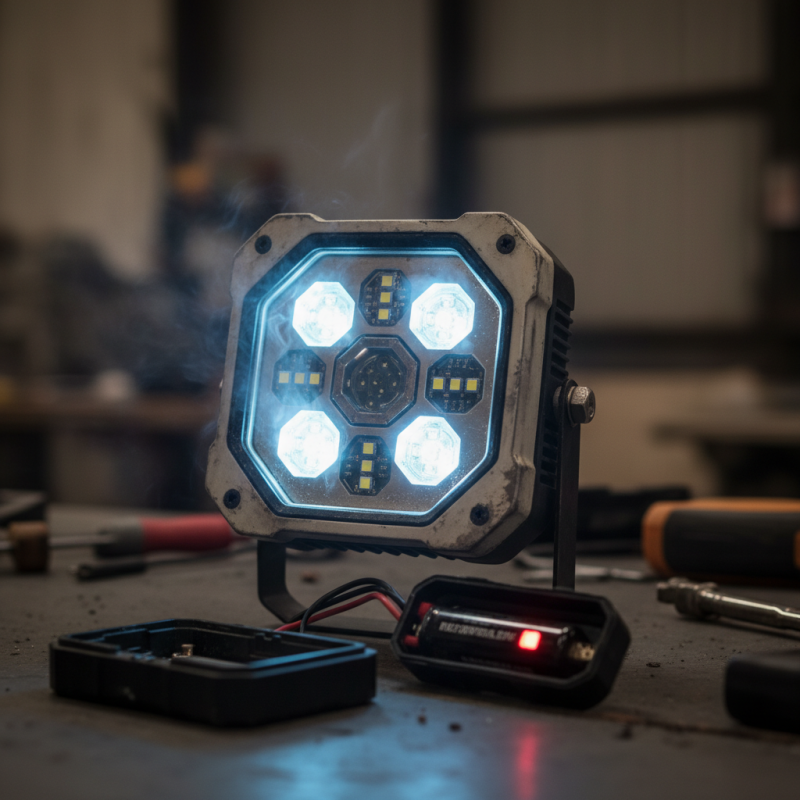
Common Issues with LED Work Lights: An Overview
LED work lights have become essential for many tasks. However, they often face common issues that can hinder performance. Flickering lights can be frustrating. This often stems from poor connections or faulty drivers. Checking the wiring before you replace components can save time and money.
Another frequent problem is overheating. When lights become too hot, they may shut down or even damage the circuitry. Providing adequate ventilation is crucial. Using lights in enclosed spaces may lead to failure. Ensure your work area allows for enough airflow.
Tips: Always inspect your LED lights for signs of damage. If flickering occurs, try adjusting connections. Regular maintenance can extend the life of your work light. Keeping the lights clean will also help improve brightness and functionality. Remember, even the best products need care and reflection on usage.
Top 5 Common LED Work Light Problems and Fixes
Insufficient Brightness: Causes and Solutions
Insufficient brightness in LED work lights can be a frustrating issue. One common reason for this problem is dirty lenses. Dust and grime can accumulate over time, obstructing light output. Regular cleaning can help restore brightness. A simple wipe with a microfiber cloth may do the trick.
Another factor could be power supply issues. If the voltage is inconsistent, it can limit performance. Check your power source for any fluctuations. Using a stable and adequate power supply is crucial. Inadequate connections can also reduce brightness, so ensure all wiring is secure and free from corrosion.
Lastly, consider the age of your LED work light. Over time, LED diodes can degrade, resulting in diminished light output. While replacing the entire unit might feel like a hassle, it often becomes necessary. Reflecting on these factors can guide you in improving your work light's performance. Remember to regularly inspect and maintain your tools for the best results.
Flashing or Flickering LEDs: Diagnosis and Remedies
Flashing or flickering LEDs are common issues for work lights. These problems can stem from various sources. A 2020 industry report highlights that over 30% of users experience flickering due to poor connections. Faulty wiring or loose fittings often lead to inconsistent current flow. Regular checks on these components can improve performance and lifespan.
Another significant cause of flickering is incompatible dimmer switches. Incompatibility can lead to irregular voltage levels. Studies show that mismatched fixtures and switches account for nearly 20% of LED-related issues. Users might overlook this detail, leading to frustration and wasted resources. Using compatible equipment ensures a stable light output.
Lastly, overheating can cause LEDs to flicker. According to a recent study, excessive heat is a leading factor in reduced LED performance. Users should ensure proper ventilation around work lights. Neglecting this can lead to early burnout, compromising both efficiency and safety. Monitoring temperature levels is essential in maintaining functionality.
Overheating Problems in Work Lights: Prevention and Solutions
Overheating is a common issue with LED work lights that many users encounter. This problem can lead to reduced lifespan and performance of the work light. When a light overheats, it can suffer from flickering or even complete failure. Constant exposure to heat affects electrical components. Proper ventilation is crucial to prevent overheating. Ensure that your work light is placed in an area with sufficient airflow.
Regular maintenance is a key factor in avoiding overheating. Check for dust or debris on the light’s housing, as this can trap heat. Occasionally, inspect the wiring. Damaged wires can cause excess heat buildup. If the work light feels excessively hot to the touch, it may be a sign of internal problems. You could consider using a fan to help cool the environment if overheating persists.
Using work lights for extended periods can also contribute to overheating issues. Take breaks to allow the light to cool down. If necessary, use timers or switches to manage the duration of use. Keep in mind that an overheated work light not only poses risks to the device but also to surrounding items. Ultimately, being proactive about overheating can enhance the performance and longevity of your LED work light.
Short Lifespan: Identifying Factors and Fixing Them
Short Lifespan: Identifying Factors and Fixing Them
LED work lights are popular due to their efficiency and brightness. However, one major issue is their short lifespan. According to industry studies, many LED lights fail within 5,000 to 10,000 hours of usage, far below their expected lifespan of 25,000 to 50,000 hours. Common factors causing this include overheating and poor quality components. Overheating often results from inadequate heat dissipation, which can accelerate the failure of internal parts.
To fix this issue, using lights with built-in fans or aluminum heat sinks can improve heat management. Another reason for short lifespan is poor power supply quality. Fluctuations can damage the LED circuit. Opting for a stable, regulated power source is crucial. Regular maintenance, such as cleaning dust off the bulbs, can also enhance performance. It's easy to overlook these details, but small steps can lead to significant improvements.
Additionally, environmental factors play a role. Extreme temperatures and humidity can affect LED longevity. Some work lights are not designed for outdoor use, leading to premature failure. Understanding the working environment is essential for choosing the right light. Despite these challenges, with careful selection and maintenance, the lifespan of LED work lights can be greatly extended, allowing for a more efficient and reliable work experience.
FAQS
: Dirty lenses can obstruct light output. Regular cleaning helps restore brightness.
Use a microfiber cloth to wipe the lenses. This should remove dust and grime.
Inconsistent voltage can limit performance. Check for fluctuations in your power source.
Inadequate connections can reduce brightness. Ensure all wiring is secure and free from corrosion.
Yes, over time, LED diodes can degrade. Replacing the unit may become necessary eventually.
Poor ventilation and dust accumulation can trap heat, leading to overheating.
Ensure proper airflow and regular maintenance. Also, clean dust or debris from the housing.
Yes, using lights for long periods contributes to overheating. Taking breaks helps cool them down.
Excessive heat may indicate internal problems. Consider cooling measures like using a fan.
Yes, an overheated work light poses risks to nearby objects. Be cautious and proactive about cooling.
Conclusion
LED work lights are popular tools, but they can experience several common issues that users should be aware of. These include insufficient brightness, flashing or flickering lights, overheating, and a short lifespan. To answer the question, "What are the most common problems with LED work lights and how to fix them?" it's crucial to understand the underlying causes. For insufficient brightness, check the power supply or clean the lenses. Flashing or flickering can often be resolved by inspecting connections or using a compatible dimmer.
Overheating can usually be prevented with proper ventilation or by using lights with built-in thermal management features. Finally, for a short lifespan, ensure lights are used within their rated voltage and in suitable environments. By addressing these issues proactively, users can enhance the performance and longevity of their LED work lights.
 Experts LED Lighting
