Navigating a boat at night can be a daunting task. Visibility is often limited, increasing the risks on the water. This is where LED lights play a crucial role. According to marine safety expert Captain John Sloan, “LED lights are game-changers for nighttime navigation.” Their bright, focused illumination enhances visibility dramatically.
How do LED lights improve boat navigation and safety at night? They provide clear guidance and reduce the chances of collisions. Traditional lights often lack the brightness and efficiency of modern LEDs. Moreover, LED lights consume less energy, allowing for longer operational times on the water.
When lighting is optimized, boaters can spot hazards more swiftly. This increased reaction time can make all the difference. However, some boaters underestimate the importance of proper LED light placement and usage. Ensuring that lights are positioned correctly is essential for maximizing safety at night. The reliability of LED technology continues to evolve, but common misconceptions can still leave room for improvement.
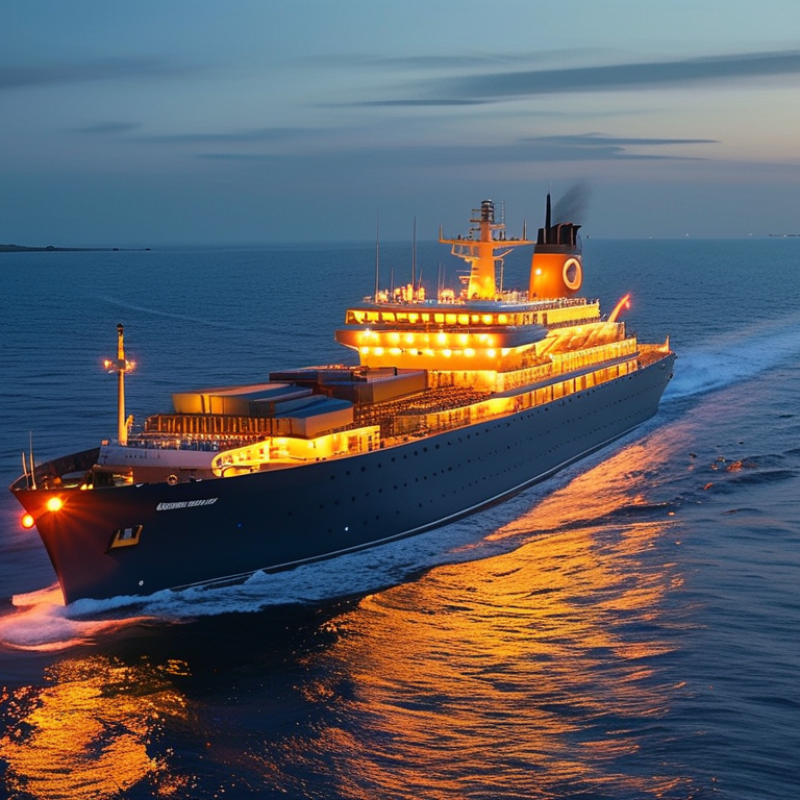
Advantages of LED Lights for Enhanced Nighttime Visibility on Boats
LED lights offer significant advantages for nighttime visibility on boats. Their bright, focused beams illuminate the water and improve safety during night navigation. Unlike traditional lights, LEDs are energy-efficient. They consume less power while providing superior brightness. This feature is crucial when boat battery life is limited.
Visibility is vital. LED lights penetrate darkness better than incandescent bulbs. This enhances the ability to spot buoys, other vessels, and potential hazards. Choosing cooler colors, like blue or green, helps visibility in low light. Tips for optimal usage include placing lights at strategic locations on the boat. This placement reduces blind spots.
Reflectors work well with LED lighting to enhance range. Having the right lighting on a boat can be a game-changer. However, poorly installed lights can lead to glare, which may hinder visibility. Regularly watching for issues with light placement ensures maximum effectiveness. Ensuring that LED lights are clean and unobstructed also enhances their power. Proper maintenance yields better safety outcomes at night.
Optimizing Navigation with Color-Coded LED Light Indicators
Color-coded LED light indicators are revolutionizing boat navigation at night. These lights offer a clear visual guide for sailors, enhancing both safety and efficiency. Each color serves a specific purpose, making it easier to identify other vessels and navigational hazards. For instance, a green light on the starboard side indicates safe passage, while red on the port side warns of potential obstacles. This color-coding simplifies decision-making in low visibility conditions.
Furthermore, the use of LED lights reduces the chances of confusion. Boaters can quickly adjust their actions based on the lights they encounter. More experienced sailors appreciate the immediate clarity provided by these indicators. However, less experienced navigators may still struggle with interpreting colors correctly. Training and practice remain essential. Even with advanced technology, understanding these basic principles is paramount for safe navigation. Color-coded LEDs must be combined with skilled observation and situational awareness for optimal safety on the water.
Improving Safety with LED Deck and Cabin Lighting Solutions
When navigating at night, effective lighting is crucial for safety. LED deck and cabin lighting offers significant advantages for boaters. These lights are energy-efficient and provide bright illumination, which enhances visibility. Crew members can navigate more safely, spotting obstacles and other vessels easily. The soft glow of LED lights creates a welcoming atmosphere onboard. This makes it easier for crew to move around without losing orientation.
Installing LED lights around the deck and in cabin areas can be a game-changer. They help identify critical areas, like lifeboats and safety equipment, even in low visibility. Additionally, LED lights can be tailored with diffusers to prevent blinding glare. However, poor placement can create hotspots and shadows, leading to potential hazards. It’s vital to plan carefully and test different configurations for optimal safety.
While the initial investment in LED lighting may seem high, the long-term benefits are undeniable. Energy consumption decreases, ultimately lowering costs. Moreover, durable LED technology reduces maintenance frequency. Nonetheless, boaters need to continually assess their lighting systems. Regular checks are essential to ensure that all lights function correctly. Once installed, don't forget to consider whether the lighting truly enhances safety or simply creates a better aesthetic.
Reducing Energy Consumption and Increasing Boat Efficiency with LEDs
LED lights play a crucial role in boat navigation and safety at night. They are not only bright but also energy-efficient, which helps reduce overall energy consumption. This improvement directly impacts a boat's efficiency, allowing for longer trips without frequent recharges.
Using LED lighting can enhance visibility for both navigation and safety. Properly placed lights illuminate important areas, such as the deck and the water's edge. This improved visibility aids both the captain and crew during nighttime operations. However, placement should be thoughtful to avoid glare or distractions that could hinder performance.
Tip: Install dimmable LED lights to adjust brightness based on the surroundings.
LEDs also have a longer lifespan compared to traditional bulbs. This longevity means less frequent replacements, reducing waste. However, one must ensure that the fixtures are durable enough to withstand marine environments. Choosing the right quality is vital, risking frequent repairs if corners are cut.
Tip: Regularly check connections and fixtures for corrosion.
Overall, investing in LEDs is wise for extended efficiency. They help maintain safety and reduce energy costs, creating a better boating experience. Always remain cautious and evaluate ongoing performance, as improvements in technology continue to evolve.
Durability and Longevity: Why LED Lights Are Ideal for Marine Environments
When navigating at night, visibility is crucial. LED lights are now popular in marine environments. Their durability and longevity make them ideal for boat navigation. According to a study by the Marine Lighting Institute, LED lights can last up to 25,000 hours. This longevity reduces maintenance costs for boat owners.
Moreover, LEDs are resistant to harsh conditions. They can withstand moisture, salt, and vibrations better than traditional bulbs. A report from the Nautical Safety Association highlighted that LEDs are less likely to shatter. This is important in boating, where a broken light can compromise safety. The IP rating of most marine LEDs, often rated at IP65 or higher, ensures protection against dust and water.
However, challenges remain. Some boaters find integrating LED systems complex. Compatibility with existing wiring can be an issue. Additionally, the initial cost of LED installations can be higher. Despite these considerations, the long-term benefits are evident. A well-lit vessel is safer and more visible at night, mitigating potential hazards. Embracing LEDs is a step toward enhanced marine safety.
FAQS
: LED lights provide bright beams, improve safety, and are energy-efficient, enhancing night navigation.
LEDs penetrate darkness better, helping to spot buoys, vessels, and hazards more effectively.
Cooler colors like blue or green improve visibility in low light conditions.
Strategic placement reduces blind spots and enhances overall safety during nighttime navigation.
Poor installation can lead to glare, which may hinder visibility and impair navigation.
Color-coded lights provide visual guidance, simplifying decision-making and enhancing safety.
Less experienced sailors may struggle with colors, highlighting the need for practice and training.
They provide bright illumination, creating a welcoming atmosphere and enhancing crew safety.
Careful planning and testing of light placement can prevent hotspots and shadows.
Regular checks ensure all lights function correctly and truly enhance safety, not just aesthetics.
Conclusion
LED lights significantly enhance boat navigation and safety at night through several key advantages. They improve nighttime visibility, allowing mariners to see obstacles and navigate more effectively in low-light conditions. By utilizing color-coded LED light indicators, boaters can optimize their navigation routes, ensuring they adhere to safe practices on the water. Additionally, the implementation of LED deck and cabin lighting solutions enhances safety on board, providing adequate illumination for both the crew and passengers.
Moreover, energy efficiency is a crucial aspect of LED technology; these lights consume less power while providing brighter illumination, which increases overall boat efficiency. Their durability and longevity make them particularly well-suited for marine environments, where harsh conditions can quickly damage conventional lighting. In summary, when considering "How do LED lights improve boat navigation and safety at night?", it's clear that their benefits are multifaceted, offering improved visibility, safety, energy savings, and resilience against the marine elements.
 Experts LED Lighting
