 Experts LED Lighting
Top 10 Benefits of LED Light Bars vs Halogen for Vehicles?
In recent years, vehicle lighting has evolved significantly. Many drivers find themselves asking, "How does an LED light bar compare to traditional halogen lights for vehicles?" This question is crucial for those looking to enhance their driving experience. LED light bars are gaining popularity due to their advanced technology and numerous benefits.
LEDs offer brighter illumination, increased energy efficiency, and longer lifespan compared to halogen lights. For instance, an LED light bar can last up to 50,000 hours, while halogen bulbs may only last about 1,000 hours. This durability reduces the need for frequent replacements, saving both time and money in the long run.
However, one should be aware of possible drawbacks. The initial investment for LED light bars can be higher, and some may find the installation process complex. Additionally, improper placement may cause glare for other drivers, leading to safety concerns. Understanding these factors is vital in making an informed choice about vehicle lighting.
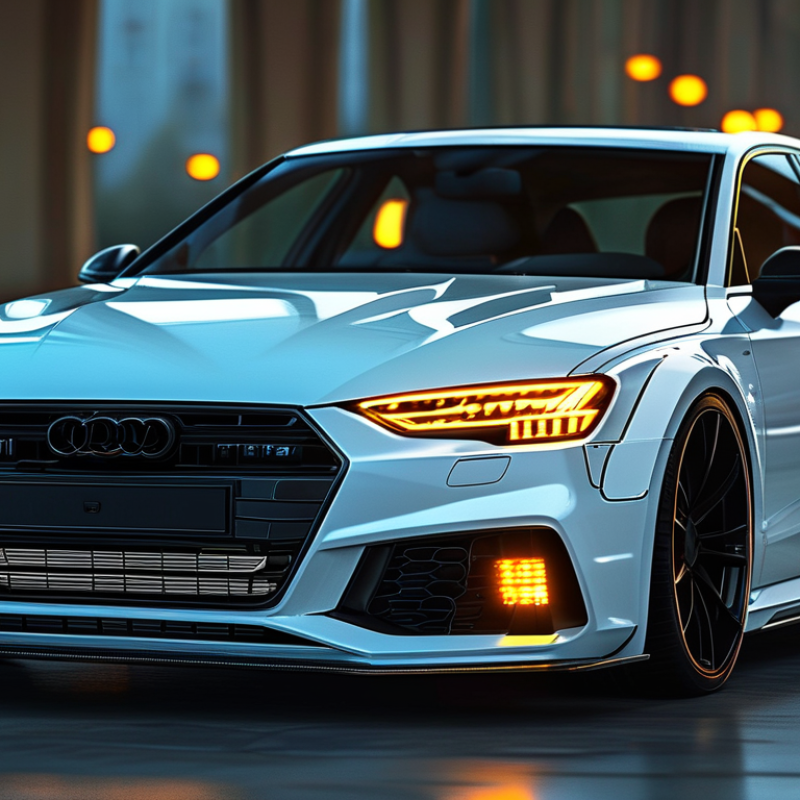
Comparison of LED Light Bars and Halogen for Vehicle Lighting
When comparing LED light bars to halogen lights for vehicle lighting, several crucial factors emerge. LED light bars shine significantly brighter than halogen. They can produce up to 160 lumens per watt, whereas halogen lights typically max out at about 24 lumens per watt. This means LED light bars illuminate the road more effectively, enhancing visibility during night driving.
Durability is another key difference. LED light bars are built to withstand harsh conditions. They are resistant to shocks and vibrations, making them ideal for off-road adventures. Halogen lights, while less expensive, are more fragile and can burn out quickly, especially in tough terrains. A report from the American Lighting Association shows that LED lights last up to 25,000 hours compared to halogen's 1,000 hours. This extended lifespan translates to less frequent replacements.
Energy consumption also plays a significant role in the comparison. LED light bars consume about 75% less energy than halogen lights. This low energy use not only helps in reducing fuel costs but is better for the environment. Nonetheless, the initial investment for LED light bars is higher. As technology evolves, users may find themselves reflecting on the balance between upfront costs and long-term savings. This ongoing consideration remains vital for vehicle owners looking to upgrade their lighting systems.
FAQS
: LED light bars are significantly brighter, producing up to 160 lumens per watt compared to halogen's 24 lumens per watt.
LED light bars can last up to 25,000 hours, while halogen bulbs typically last around 1,000 hours.
Yes, LED light bars consume about 75% less energy than halogen lights, leading to lower fuel costs.
LED light bars withstand shocks and vibrations better. Halogen lights are more fragile and can easily burn out.
LED lights provide better clarity and a wider beam angle, improving peripheral visibility and safety.
While they are more expensive upfront, LEDs save money over time due to their durability and lower energy consumption.
Yes, choosing LED light bars with adjustable brightness settings can enhance driving experiences significantly.
Regularly checking and cleaning the light bars helps maintain their maximum brightness and effectiveness.
Halogen lights may create blind spots due to limited light patterns, which can be dangerous in certain situations.
Yes, individuals driving often at night can benefit from the extended lifespan and better visibility of LED lights.
Conclusion
The article "Top 10 Benefits of LED Light Bars vs Halogen for Vehicles" provides a comprehensive comparison between LED light bars and traditional halogen lights, focusing on several critical factors. One of the main advantages of LED light bars is their energy efficiency; they consume significantly less power than halogen lights, leading to reduced fuel consumption and less impact on vehicle battery life. Durability is another area where LEDs excel, boasting a lifespan that far surpasses that of halogen bulbs, making them a more sustainable option for vehicle lighting.
Brightness and visibility are crucial for safety, particularly during night driving. The article reveals that LED light bars produce a brighter and more focused beam, enhancing visibility in low-light conditions compared to halogen alternatives. Lastly, the discussion on cost-effectiveness highlights how, despite a higher initial purchase price, LEDs offer long-term savings due to their longevity and reduced energy consumption. Ultimately, the article answers the question, “How does an LED light bar compare to traditional halogen lights for vehicles?” by demonstrating that LEDs stand out in terms of efficiency, durability, and overall value for motorists.
